

How Do Disability Employment Services Work: Everything You Need to Know
Covenant Team
Jul 6, 2026
Get the Guidance You Deserve, Right to Your Inbox
Whether you’re a caregiver, care professional, or individual seeking independence, We aim to keep you informed and inspired. Receive updates on services, events, and stories of hope by signing up to become a part of our email list below.
Finding meaningful work can be life-changing for individuals with disabilities, and the right support makes all the difference. As a caregiver, you’ve likely seen the desire for purpose, independence, and community in your adult child, and you want to see them thrive.
Disability Employment Services are designed to help individuals with intellectual, developmental, or physical disabilities prepare for, find, and keep a job that aligns with their skills and passions.
The ultimate goal is to build confidence, foster independence, and create a sense of belonging. Here’s how the process works and how you can access the right support. So, how do disability employment services work? Learn more below.

How Disability Employment Services Work
A common misconception is that a disability work program is a one-size-fits-all solution. In reality, the most effective programs are deeply personal and structured around the individual.
The journey is a collaborative partnership between the person, their family, and dedicated employment specialists. It follows five key stages.
1. Assessment and Goal Setting
The first step is an in-depth assessment to understand the individual’s unique strengths, interests, challenges, and aspirations. This is a discovery process.
We explore questions like:
- What are you passionate about?
- What kind of environment helps you succeed?
- What skills do you already have, and which ones would you like to develop?
This foundational step ensures the entire plan is built on a solid understanding of who they are and what they want to achieve.
2. Personalized Employment Planning
Once goals are established, the next step is creating a customized roadmap. This is where an employment specialist collaborates with the individual and their family to develop an Individualized Plan for Employment (IPE).
This plan outlines specific, achievable job goals and the steps needed to reach them. It considers everything from the type of work that would be most fulfilling to the level of support required for success. This is a living document, designed to be flexible and adapt as your adult child grows and their goals evolve.
3. Training and Skill Development
With a plan in place, the focus shifts to building skills and confidence. This phase is tailored to the individual’s needs and can include a variety of employment supports. For some, it might mean vocational training for a specific trade. For others, it could involve job coaching to develop essential workplace skills like communication, time management, or problem-solving.
This critical stage empowers individuals with the practical tools and self-assurance they need to not just get a job, but to excel in it.
4. Job Placement and Support
This is where the plan becomes a reality. Employment specialists leverage their networks to connect individuals with inclusive employers who value what they have to offer. The support doesn’t stop there. Support workers often assist with the application process, interview preparation, and even onboarding.
At Covenant, our team coordinates with employers to ensure the workplace is accessible and that any necessary accommodations are in place from day one.
5. Ongoing Support and Advocacy
Securing a job is a huge milestone, but it’s not the end of the journey. Long-term success depends on consistent, ongoing support. This final stage involves regular check-ins to see how things are going, address any challenges that arise, and provide additional coaching as needed.
This sustained partnership ensures that employment is not only achieved but also maintained, becoming a stable and rewarding part of your adult child’s life. It reinforces that employment is just one part of a bigger journey toward independence.
Who Can Access These Services?
Generally, anyone with a disability that presents a barrier to employment and who can benefit from vocational rehabilitation is eligible.
In North Carolina, the primary resource is the state’s Division of Employment and Independence for People with Disabilities (EIPD). This agency helps people with disabilities achieve their goals for a career and independent living. Getting started typically involves these steps:
- Contacting the NC EIPD: The first step is to reach out to your local office to request services.
- Completing an Eligibility Assessment: You and your adult child will work with a counselor to determine eligibility based on the nature of the disability and its impact on employment.
- Developing an Employment Plan: Once approved, you’ll begin the process of creating that Individualized Plan for Employment we discussed earlier.
Working with state agencies can feel daunting, but organizations like Covenant can guide you through these initial steps, ensuring you have the right information and support from the very beginning.

Benefits for the Person Receiving Services
Employment is about purpose, confidence, and belonging, but data shows that a significant gap exists. The U.S. Department of Labor released a labor report that shows only 22.8% of people with a disability were employed in 2025.
Programs that bridge this gap deliver profound benefits that ripple through every aspect of a person’s life. These include:
- Personal Growth: Learning new skills, overcoming challenges, and contributing to a team builds immense self-confidence and a stronger sense of independence.
- Emotional Well-being: A structured routine, a sense of purpose, and the pride that comes from a job well done can significantly improve mental and emotional health.
- Social and Community Integration: The workplace is a natural environment for building friendships and social networks, reducing isolation and fostering a greater sense of community participation.
- Financial Independence: Earning a wage provides financial stability and empowers individuals to have more control over their own lives and futures.
Seeing your adult child achieve these milestones brings an incredible sense of peace of mind and hope for their future. It also helps strengthen the entire disability workforce, creating more inclusive communities for everyone.
Funding and Support Resources
A common concern for families is the cost. Fortunately, most disability employment services programs are funded through state and federal sources, such as the EIPD. This means services are often provided at little to no cost to the individual and their family.
Covered services can include:
- Job coaching and skills training
- Assistive technology needed to perform a job
- Help with transportation
- Workplace accommodations
Another major question is, “Will working affect our Social Security benefits?” This is a valid concern. Federal programs like Social Security have “Work Incentives” in place that allow individuals to test their ability to work while still receiving benefits.
These rules can be complex, but an experienced service provider can help you understand how they apply to your specific situation.
Covenant’s Approach to Supported Employment
We believe that everyone deserves the opportunity to engage in meaningful work. Our approach is built on our founder’s personal experience as the father of a child with IDD and is guided by our core values of compassion and whole-person support.
Our Covenant Pathways program is a long-term partnership. We walk with individuals and their families through every stage of the employment journey, from initial discovery to sustained success. We provide personalized care, dedicated advocacy, and the unwavering support needed to empower your loved one to thrive with independence and dignity.
To learn more about how supported employment works and how to get started, explore our comprehensive Supported Employment Guide.
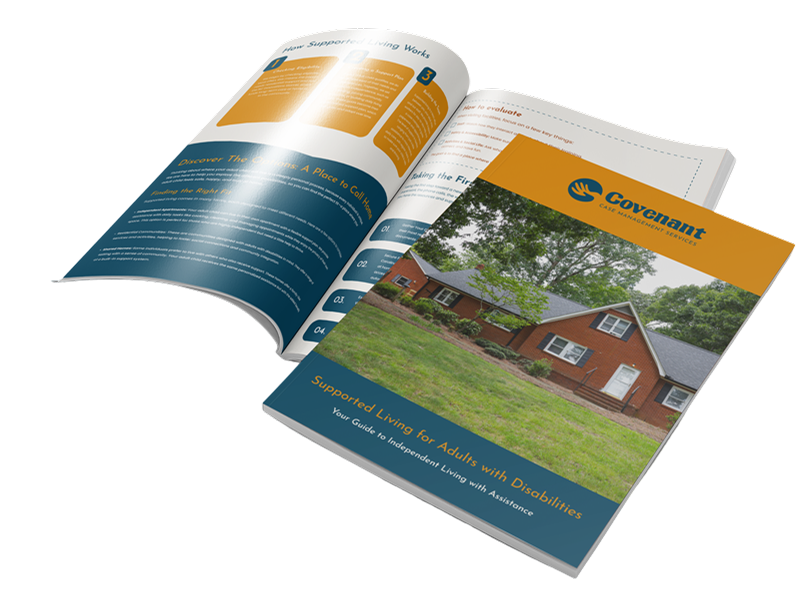
Download Your FREE Supported Living Guide!

Direct Support
Professionals

Individuals Served
Since 2010
