

How to Decide Between Independent Living and Assisted Living
Covenant Team
Mar 23, 2026
Get the Guidance You Deserve, Right to Your Inbox
Whether you’re a caregiver, care professional, or individual seeking independence, We aim to keep you informed and inspired. Receive updates on services, events, and stories of hope by signing up to become a part of our email list below.
To decide between independent living and assisted living for your adult child, look at three things: how much daily support they need, their safety and health needs, and their goals for independence and community life. There is no one “right” answer, only the best fit for this season. Feeling overwhelmed, scared, or guilty is normal, especially as you think about how to decide between independent living and assisted living.
What Independent Living Means for Adults with IDD
Independent living means your adult child lives in their own home or apartment, with support. It does not mean accommodation for people with disabilities. An independent living services program wraps help around them so they can do more for themselves and stay safe.
Common parts of independent living programs for adults include:
- Coaching on cooking, cleaning, and daily skills
- Help with budgeting, transportation, and safety plans
- Regular check-ins from staff or a support team
What Assisted Living Means for Adults with IDD
Assisted living means more help is available on-site than in independent living. Staff help with daily care, medications, and watching health changes. Your adult child still works on independence, but with more hands-on support around them.
Typical features include:
- 24/7 staff on-site or on-call
- Meals, medication management, and personal care help
- Structured activities and a safety-focused environment
It is “more support,” not “less capable,” and can be the right next step for a season.
Key Questions to Ask Yourself as a Caregiver
This choice of services encompasses your adult child’s safety, joy, and future. It is normal to feel pulled in many directions at once.
Ask yourself:
- How much support does my adult child need with daily tasks (meals, hygiene, medications)?
- How safe are they when they spend time alone?
- What kind of social and community life do they want?
- What can we realistically provide at home, long-term?
- What options fit our budget and benefits as we explore how to find affordable independent living?
You can revisit these questions with a case manager or support coordinator.
A Simple Comparison Framework
There is no single “right” answer. The goal is to match support to your adult child’s needs and their hopes for daily life.
Independent living may be best when:
- Your adult child can handle many daily tasks with limited help
- Safety risks can be managed with check-ins and supports
Assisted living may be best when:
- Medical or behavioral support needs are higher
- You feel stretched past what you can safely provide
Blend professional guidance (case management services, supported living assessments) with your deep knowledge of your adult child.
Getting Support: Services, Guides, and Next Steps
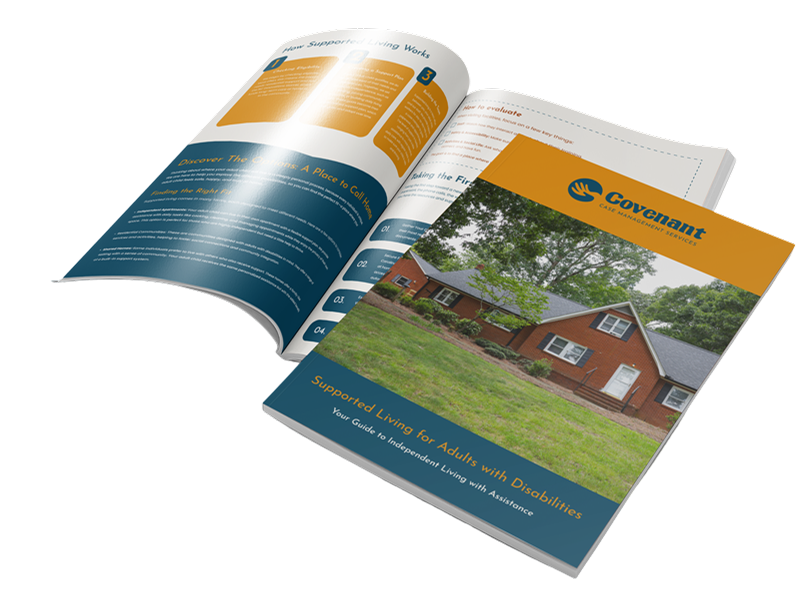
You do not have to figure this out alone. You can have a partner who knows housing for people with disabilities and understands your adult child’s needs. Download our Supported Living Guide to start building a plan that blends independence, safety, and care.


Download Your FREE Supported Living Guide!

Direct Support
Professionals

Individuals Served
Since 2010
