

What Is Vocational Rehabilitation? A Complete Guide
Covenant Team
Jul 6, 2026
Get the Guidance You Deserve, Right to Your Inbox
Whether you’re a caregiver, care professional, or individual seeking independence, We aim to keep you informed and inspired. Receive updates on services, events, and stories of hope by signing up to become a part of our email list below.
As a caregiver, you’ve dedicated yourself to helping your adult child live with dignity and purpose. You see their strengths and their desire to contribute. But finding the right job path can feel overwhelming. You might wonder how to turn those abilities into a fulfilling career.
Vocational rehabilitation is a partnership that helps people with disabilities prepare for, find, or keep a job. Think of it as a personalized coaching program that gives people the tools, training, and support they need to succeed at work. Understanding how it works is the first step toward independence. So, what is vocational rehabilitation? Learn more below.
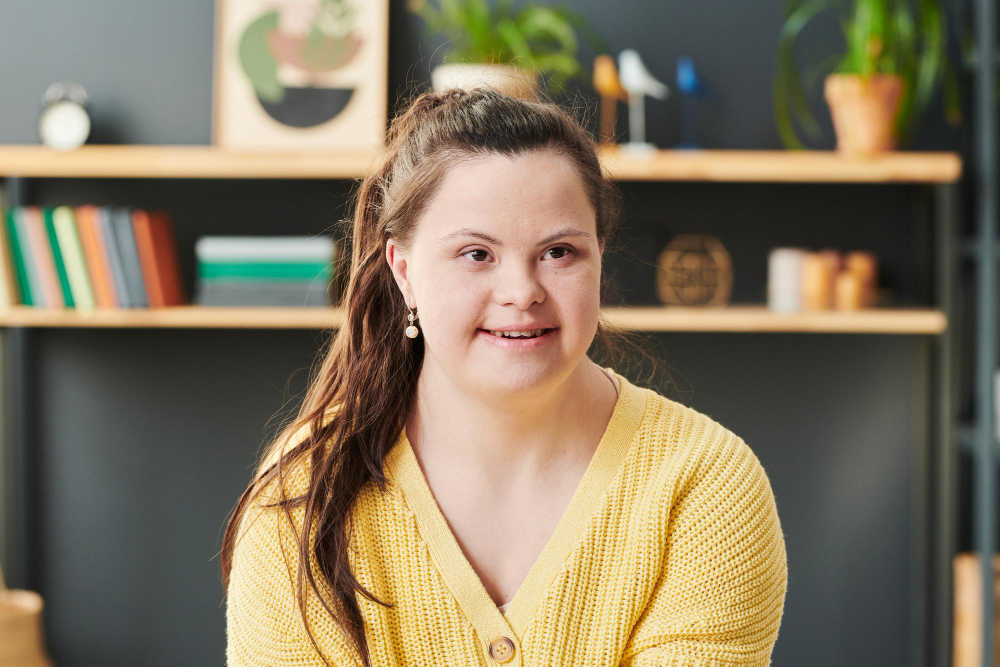
What Vocational Rehabilitation Means for Your Family
Vocational rehabilitation is a set of services that helps individuals with disabilities to overcome barriers to employment. Unlike a standard job placement agency that simply matches resumes to openings, vocational rehabilitation takes a whole-person approach. It starts with an individual’s unique skills, goals, and needs, and builds a customized roadmap to a meaningful career.
In North Carolina, these services are coordinated through the state. It’s important to know that the program you may have heard of as the Division of Vocational Rehabilitation Services is now officially called the Division of Employment and Independence for People with Disabilities (EIPD).
This name change reflects a modern focus on achieving true independence through meaningful work. This program collaborates with trusted providers to deliver hands-on, personalized support right in your community.
What Vocational Rehabilitation Services Are Provided?
Once eligibility is confirmed, a counselor works with your adult child to develop an Individualized Plan for Employment (IPE). This plan outlines the specific supports needed to reach their career goals.
Services may include:
- Career counseling and goal setting: Exploring interests and turning them into a clear career path.
- Job skills training: Learning the skills or certifications needed for a job.
- Resume and interview preparation: Building confidence and communication skills.
- Supported employment and job placement: Getting help finding and starting a job with continued guidance.
- Assistive technology: Tools or equipment that make job tasks easier.
- Job retention support: Ongoing help to handle workplace challenges and stay employed long-term.
Who Qualifies for Vocational Rehabilitation?
Families often ask who can receive vocational rehabilitation. The program is designed to be inclusive and focuses on how a disability affects a person’s ability to work.
To qualify, a person generally must:
- Have a physical, mental, intellectual, or developmental disability.
- Face challenges finding or keeping a job because of that disability.
Disabilities that may qualify include:
- Intellectual and developmental disabilities (IDD), such as Autism or Down Syndrome
- Physical disabilities or chronic health conditions
- Mental health conditions like depression, anxiety, or PTSD
- Sensory impairments such as hearing or vision loss
- Learning disabilities
Eligibility is based on both the person’s goals and their readiness to work with support.
Funding and Program Support
Vocational rehabilitation is funded through a partnership between federal and state programs under the Rehabilitation Act of 1973. This shared support makes services widely available to people who need help preparing for or maintaining employment.
For those who qualify, most services are free or offered at a very low cost. Funding helps cover essential needs such as education or vocational training, job coaching, assistive technology, transportation, and tools required for work.
In North Carolina, the Division of Employment and Independence for People with Disabilities (EIPD) may also provide additional support based on a person’s goals, needs, and eligibility. These programs are designed to remove financial barriers so individuals and their families can focus on building skills, finding meaningful work, and gaining independence.
Benefits for Individuals and Families
Vocational rehabilitation creates lasting benefits that extend beyond employment. These include:
- Greater independence and confidence: Each step toward meaningful employment helps individuals feel capable and proud of what they can achieve. It’s often the first step toward living more independently.
- Skill development and personal growth: Through training, counseling, and real work experience, participants learn practical skills that build confidence both on and off the job.
- Improved emotional well-being: Having a purpose and a routine can lift spirits. Meaningful work helps reduce frustration and feelings of isolation.
- Financial stability for families: Employment can ease financial pressure at home by creating steady income and access to new resources.
- Stronger family and community connection: As individuals become more independent, families often experience less stress and a deeper sense of connection and pride.
How to Apply for Vocational Rehabilitation in North Carolina
Getting started is simple. Here’s a simple, four-step guide to the vocational rehabilitation application process in NC.
Step 1 – Referral
Contact the Division of Employment and Independence for People with Disabilities (EIPD). You can fill out an online referral form on the NCDHHS website.
Step 2 – Application and Assessment
A counselor meets with you to learn about your adult child’s disability, work history, and goals.
Step 3 – Plan Development (IPE)
If eligible, you’ll create the Individualized Plan for Employment with the counselor.
Step 4 – Receiving Services
Once approved, your adult child starts receiving services like training or job coaching. Covenant works closely with EIPD to deliver this support.
Does Vocational Rehabilitation Really Work?
It’s natural to wonder whether vocational rehabilitation makes a difference. The results show that it does.
Around 60% of people who receive these services find employment. The program also benefits communities through higher tax contributions and reduced reliance on public aid. It’s a proven way to build a stronger, more inclusive workforce.
Common Vocational Rehabilitation Jobs and Career Paths
The goal of vocational rehabilitation is to find a job that fits the person’s strengths and interests. Supported employment helps people find meaningful roles that match their abilities.
Examples of common jobs include:
- Administrative and office work
- Retail and customer service
- Foodservice and hospitality
- Healthcare support
- Manufacturing or assembly
- Janitorial and maintenance
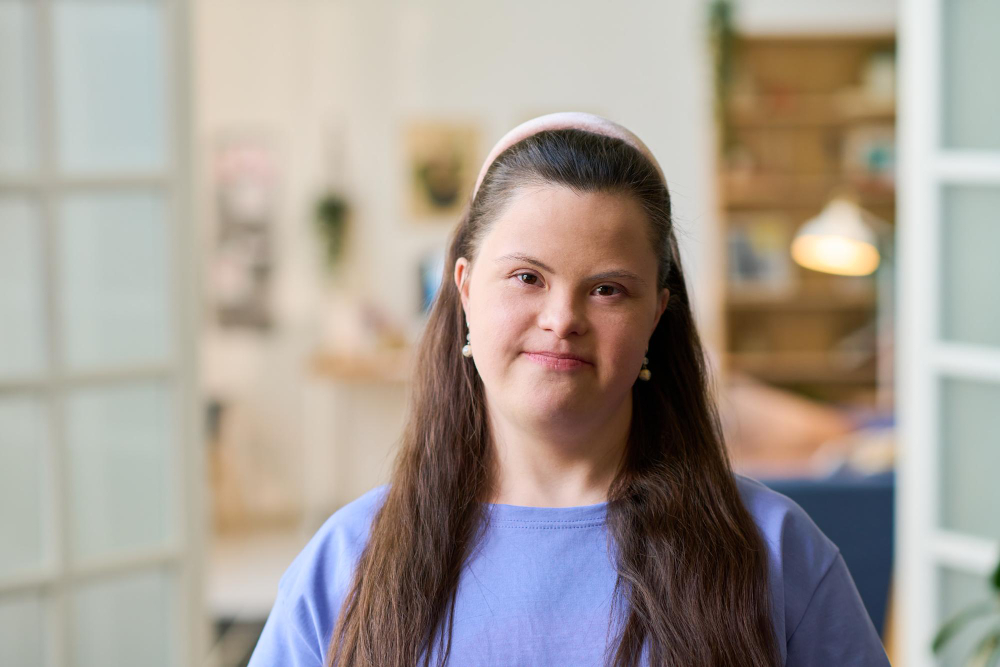
Your Partner in Building an Independent Future
Finding the right path to supported employment can feel complicated, but you don’t have to do it on your own.
Here’s what to remember:
- It’s a partnership. Vocational rehabilitation is built around your adult child’s goals.
- It’s comprehensive. Services go beyond job placement to support long-term success.
- It works. Many families see real, lasting results.
At Covenant, we walk beside you through each step. Covenant Pathways aligns with state programs to turn job goals into reality, from assessments to on-the-job coaching.Every person deserves the pride and purpose that comes from meaningful work. If you’re ready to take the next step, download our Supported Employment Guide or reach out to our team today to learn how we can help your adult child start their vocational journey.
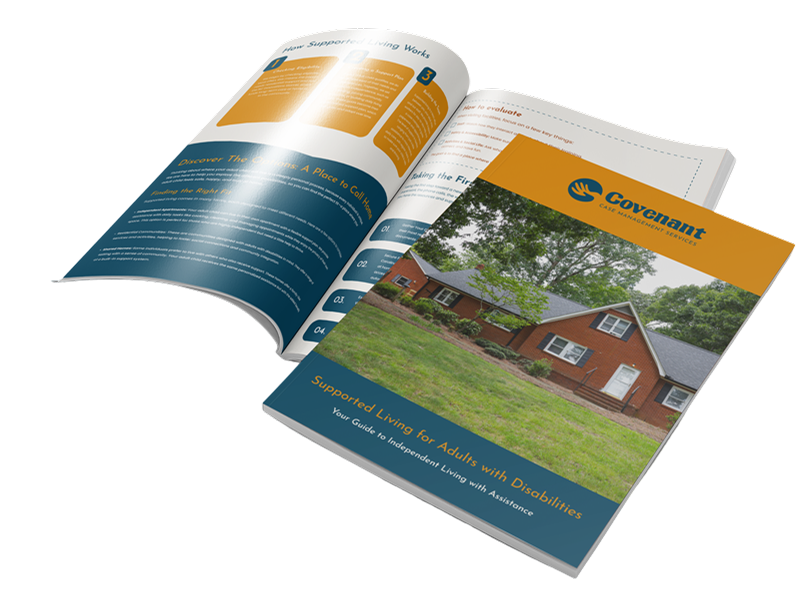
Download Your FREE Supported Living Guide!

Direct Support
Professionals

Individuals Served
Since 2010
