

Day Habilitation Programs for Adults with Disabilities: What to Expect
Covenant Team
Jul 7, 2026
Get the Guidance You Deserve, Right to Your Inbox
Whether you’re a caregiver, care professional, or individual seeking independence, We aim to keep you informed and inspired. Receive updates on services, events, and stories of hope by signing up to become a part of our email list below.
Caring for an adult with disabilities takes heart, patience, and strength. Many caregivers look for ways to help their adult child grow, connect, and thrive during the day. Day habilitation programs offer that support. These structured services help adults build life skills, form friendships, and take part in meaningful activities within their community. They also give families comfort, routine, and time to recharge.
Here’s what you can expect from a day habilitation program, and how to find one that fits your adult child’s needs.
What Is Day Habilitation?
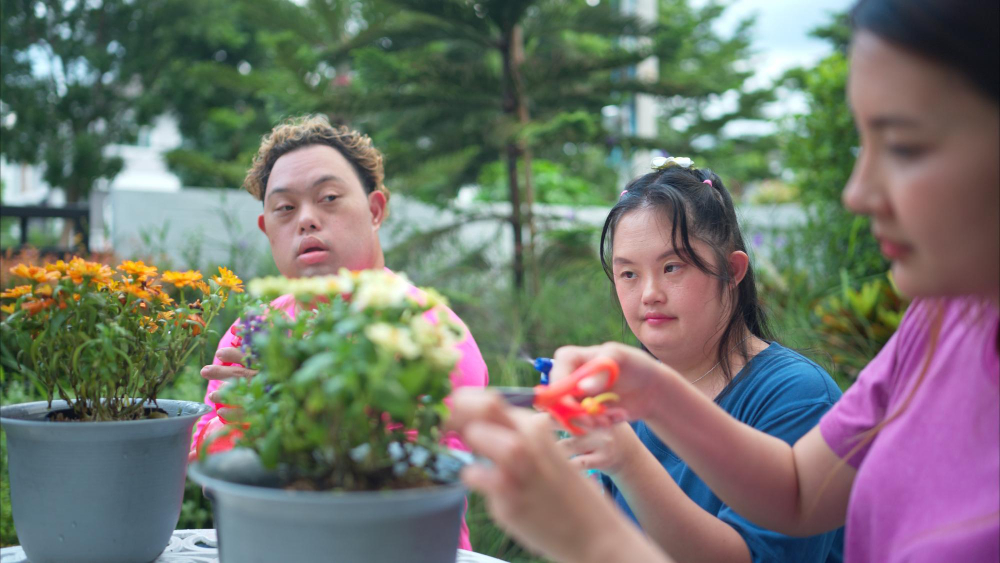
Day habilitation is a weekday program that supports adults with disabilities through guided activities and learning. It takes place in a center or in community settings, depending on each person’s goals and comfort. The focus is on helping participants gain confidence and live with greater independence.
Core goals include:
- Skill building and independence
- Social interaction
- Community participation
These programs create safe spaces where adults can learn daily routines, practice communication, and enjoy time with peers. By offering structure and purpose, day habilitation helps participants thrive beyond home care and feel more connected to their world.
What to Expect from a Day Habilitation Program
Understanding what happens in a day habilitation program helps caregivers know how each part of the day supports learning, confidence, and connection.
Structured Routines That Build Confidence
A day habilitation program follows a steady schedule that helps adults feel secure and supported. Predictable routines reduce stress and build confidence over time. Each day may include morning check‑ins, group discussions, planned activities, and lunch breaks.
This structure allows participants to discover a sense of purpose and comfort. Staff often track progress to celebrate growth and adjust plans when needed.
Skill Development for Everyday Independence
Participants learn practical skills that support daily living. Activities may include:
- Learning to plan and prepare simple meals
- Practicing good hygiene and personal care
- Managing basic money tasks like budgeting
- Improving communication and self‑advocacy
Each lesson is tailored to the person’s abilities and goals. These small steps encourage independence and pride in personal achievements.
Community Integration and Real‑World Learning
Many programs offer community activities that build confidence and social skills. Participants may volunteer, visit local shops, or join group exercise programs.
These outings promote inclusion and help adults feel connected and valued. Taking part in real‑life experiences allows them to practice skills in safe, supportive settings.
Individualized Plans for Personal Growth
Every participant has an Individualized Service Plan (ISP). This plan outlines personal goals and areas for growth. Staff complete assessments to understand strengths and needs. Progress is reviewed often, and milestones are celebrated. Caregivers can feel confident that each person receives attention suited to their unique journey.
Supportive, Trained Staff
Day habilitation programs rely on caring professionals who guide and protect participants. Staff members have training in supervision, behavior support, and personal care. They bring patience, understanding, and respect to every interaction. Safety and well‑being remain the top priorities throughout the day.
Social Connection and Belonging
Social interaction is a key part of day habilitation. Group activities create friendships and reduce isolation. Participants share laughter, work on projects together, and feel seen and supported. These moments build a sense of belonging and joy that extends beyond the program itself.
A Look Inside a Typical Day
Morning: Participants arrive and are welcomed by staff and friends. The day begins with greetings, light conversation, and setting simple goals. Morning sessions may include group discussions or personal growth activities that build focus and confidence.
Midday: The group takes part in skill‑building lessons such as cooking, art, or communication practice. Lunch is shared together, giving time for social connection and relaxation. Peer activities help everyone feel part of the group.
Afternoon: Many programs include a community outing or creative project. Participants might visit a local park, volunteer, or work on crafts that express individuality. The day ends with reflection and positive feedback.
Each day follows a steady rhythm that supports comfort and growth. Still, no two days are exactly alike because every participant is unique and their experiences are shaped by personal goals and interests.
How to Choose the Right Day Habilitation Program
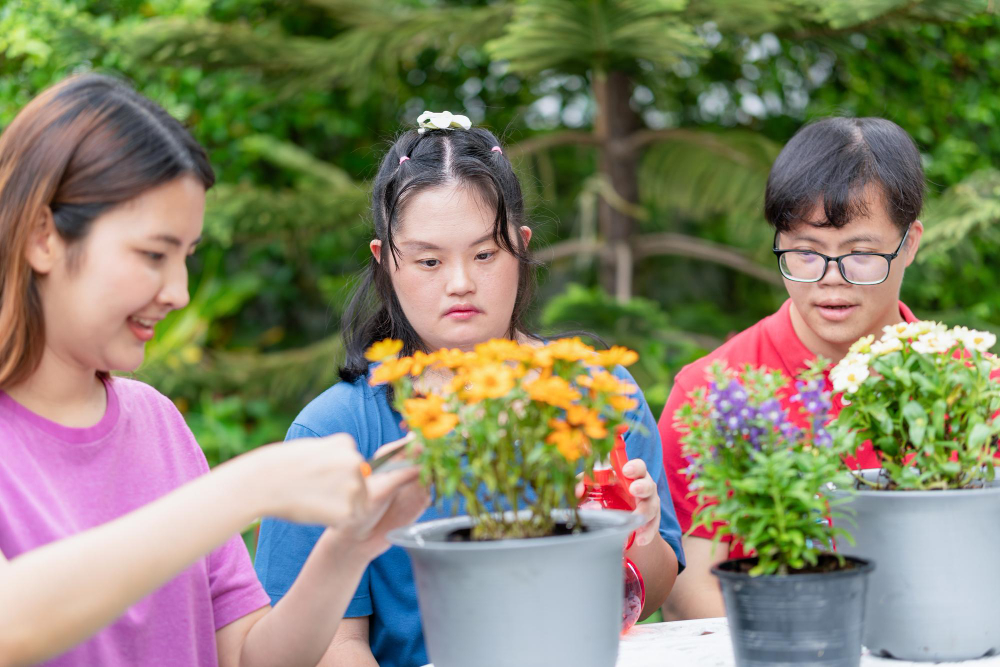
Finding the right day habilitation program begins with asking the right questions. Each caregiver wants to know their adult child will be supported, safe, and fulfilled. Taking time to visit and observe can bring peace of mind and help you make a confident choice.
Questions to ask before enrolling:
- How often do participants engage in community outings?
- What is the staff‑to‑participant ratio?
- Are transportation services included?
- Can the program meet specific medical or behavioral needs?
During your visit, pay attention to how staff interact with participants. Warm, respectful communication is a good sign of a caring environment. Notice whether participants seem comfortable and engaged. Ask about daily routines, training, and how progress is measured.
Beyond schedules and services, consider the emotional fit. The feel of the space matters. A supportive, welcoming atmosphere helps each person feel valued and at ease.
The Benefits That Go Beyond the Program
A day habilitation program offers lasting value for both participants and their families. It gives adults with disabilities a chance to grow, learn, and connect in meaningful ways.
Key benefits include:
- Increased independence and confidence: Participants gain skills that help them manage daily life with pride.
- Reduced caregiver stress: Families find comfort knowing their loved one is supported in a safe, structured setting.
- Stronger community ties: Regular outings and group activities build friendships and belonging.
- Improved emotional well‑being: Supportive routines and social interaction create joy and stability.
These programs nurture personal growth while giving caregivers time to rest and refocus. When your adult child thrives during the day, your whole family feels the difference.
Building a Path Toward Independence and Connection
Day habilitation programs offer person‑centered care that helps adults with disabilities grow in confidence and connection. Each program blends community involvement, individualized support, and compassionate guidance from trained staff. Participants learn life skills, build friendships, and find purpose in everyday activities.
For caregivers, these programs bring peace of mind and renewed hope. They show that progress happens through care, patience, and belonging. Day habilitation is a step toward a fuller, more independent life.You are not alone on this journey. Covenant is here to support you and your adult child every step of the way. Ready to see what’s possible? Explore our day program, Covenant Dream Center.
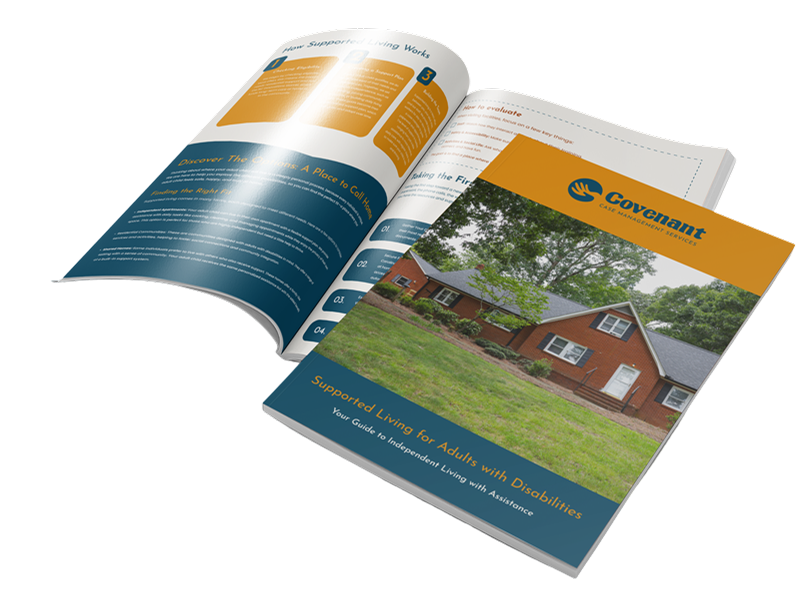
Download Your FREE Supported Living Guide!

Direct Support
Professionals

Individuals Served
Since 2010
