
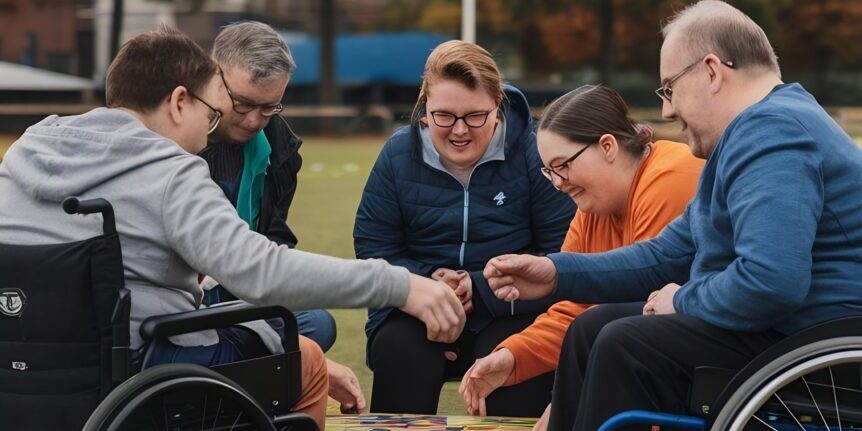
Day Program Activities for Adults with Disabilities
Covenant Team
Jul 7, 2026
Get the Guidance You Deserve, Right to Your Inbox
Whether you’re a caregiver, care professional, or individual seeking independence, We aim to keep you informed and inspired. Receive updates on services, events, and stories of hope by signing up to become a part of our email list below.
Day programs offer structured, supportive environments that help adults with IDD build skills, form friendships, and gain confidence in a safe setting.
These programs create opportunities for learning, creativity, and independence through engaging group and individual activities. Let’s explore day program activities for adults with disabilities that inspire growth and happiness, while supporting caregivers in providing enriching experiences that make every day more fulfilling.

Fun and Meaningful Activities for Adults with Disabilities
Finding the right activities can make each day more enjoyable and enriching for adults with disabilities. A good adult day program blends fun, learning, and social time in ways that help participants grow and feel valued.
Here are 10 simple activity ideas for caregivers and day program staff to inspire meaningful engagement.
Arts and Crafts
Art helps people express feelings and ideas that words cannot always show. It builds creativity and fine motor skills while boosting confidence.
- Painting – encourages color exploration and self-expression.
- Pottery – strengthens hand coordination and focus.
- Jewelry-making – improves patience and design thinking.
- Collage art – promotes teamwork and storytelling.
Music and Dance
Music and movement bring joy and connection. They help reduce stress and lift moods through rhythm and sound.
- Sing-alongs – build community and language skills.
- Drumming circles – improve listening and teamwork.
- Adapted dance classes – support body awareness and coordination.
- Instrument exploration – offers sensory engagement and fun.
Games and Puzzles
Games keep the mind active and encourage teamwork in a relaxed setting. They are great for socialization and cognitive growth.
- Trivia sessions – boost memory and learning.
- Board games – develop turn-taking and communication.
- Memory cards – increase focus and recall.
- Group puzzles – strengthen problem-solving and patience.
Physical Activities
Movement keeps the body strong and the mind clear. Physical activities can be adjusted for every ability level in a disability day program.
- Yoga – promotes balance and relaxation.
- Walking groups – encourage friendship and gentle exercise.
- Chair exercises – provide fitness for all mobility levels.
- Light sports – build teamwork and confidence in a safe way.
Life Skills and Vocational Activities
Skill-building programs for disabled adults help prepare them for greater independence. These activities bring purpose and pride while supporting adult day support goals.
- Cooking lessons – teach safety and nutrition awareness.
- Gardening – improves responsibility and patience.
- Cleaning routines – build daily living confidence.
- Mock job tasks – prepare participants for vocational opportunities.
Community and Social Activities
Connecting with others helps reduce isolation and fosters a sense of belonging. These activities help adults with disabilities build friendships and community ties.
- Volunteering – promotes empathy and teamwork.
- Group outings – encourage exploration and confidence in public spaces.
- Local events – celebrate inclusion and shared interests.
- Club meetings – support leadership and communication.
Cognitive and Learning Activities
Learning does not stop in adulthood. These activities keep minds active and engaged while providing structure in day services for adults with disabilities.
- Reading groups – build comprehension and focus.
- Educational apps – make learning fun and accessible.
- Storytelling sessions – enhance imagination and memory.
Sensory and Relaxation Activities
Calming activities help manage emotions and support well-being. They are ideal for quiet times or when someone feels overwhelmed.
- Sensory rooms – provide safe exploration of light, sound, and touch.
- Aromatherapy – encourages calm through smell.
- Mindfulness sessions – teach breathing and focus.
Special Interest Hobbies
Encouraging hobbies gives adults with disabilities a sense of purpose and control. These activities reflect individual passions and creativity.
- Photography – captures memories and builds focus.
- Pet care – teaches responsibility and compassion.
- Model building – promotes patience and concentration.
Celebrations and Events
Celebrations bring people together and create joy within adult day programs. They help participants feel recognized and included.
- Birthday parties – honor personal milestones.
- Cultural celebrations – teach respect for diversity.
- Holiday events – strengthen community bonds and happiness.
How Day Programs Tailor Activities for Individual Needs
Every person in a day program is unique. Staff take time to learn about each participant’s abilities, interests, and support needs before planning activities. This helps ensure that every experience feels comfortable and rewarding. Activities are adjusted for mobility, communication style, and sensory preferences so everyone can take part in a way that feels safe and enjoyable.
Caregivers, therapists, and program staff work together to create daily plans that match personal goals. This teamwork helps adults with disabilities build confidence, learn new skills, and enjoy meaningful moments that support growth and well-being.
Benefits of Structured Day Program Activities
Structured day program activities offer many lasting benefits for adults with disabilities and their caregivers:
- Socialization: Builds friendships, improves communication, and reduces feelings of loneliness.
- Skill-building: Encourages independence, creativity, and confidence through guided learning.
- Physical and mental health: Promotes movement, focus, and emotional balance for better overall wellness.
- Caregiver respite: Provides trusted support, giving caregivers time to rest and recharge.
When these elements come together, day programs help create a positive, balanced routine that improves quality of life for both participants and their families.
Tips for Choosing the Right Day Program Activities
Finding the right adult day program takes time and care. Here are five simple tips to guide your choice:
- Match activities to your adult child’s interests and abilities.
- Check that staff are trained and follow safety standards.
- Choose programs that offer variety and flexible schedules.
- Visit the center to observe how activities are run.
- Ask questions about inclusion and how activities are personalized.
Taking these steps helps you feel confident that your adult child will enjoy a safe, supportive, and meaningful experience each day.
Helping Adults with Disabilities Thrive One Day at a Time
Meaningful day program activities help adults with disabilities grow, connect, and find joy in daily life. With the right support, each day can bring new skills, friendships, and confidence. Caregivers can feel peace knowing their adult child is in a caring, structured environment made for their needs. Covenant’s team understands the importance of compassion and inclusion in every activity. Explore our day program, Covenant DreamCenter, to discover how we help adults with disabilities learn, connect, and thrive every day. Together, we can build brighter, more fulfilling days for those who need care and encouragement.
Download Your FREE Supported Living Guide!

Direct Support
Professionals

Individuals Served
Since 2010
