
How to Become a Caregiver in North Carolina
Covenant Team
Apr 28, 2026
Get the Guidance You Deserve, Right to Your Inbox
Whether you’re a caregiver, care professional, or individual seeking independence, We aim to keep you informed and inspired. Receive updates on services, events, and stories of hope by signing up to become a part of our email list below.
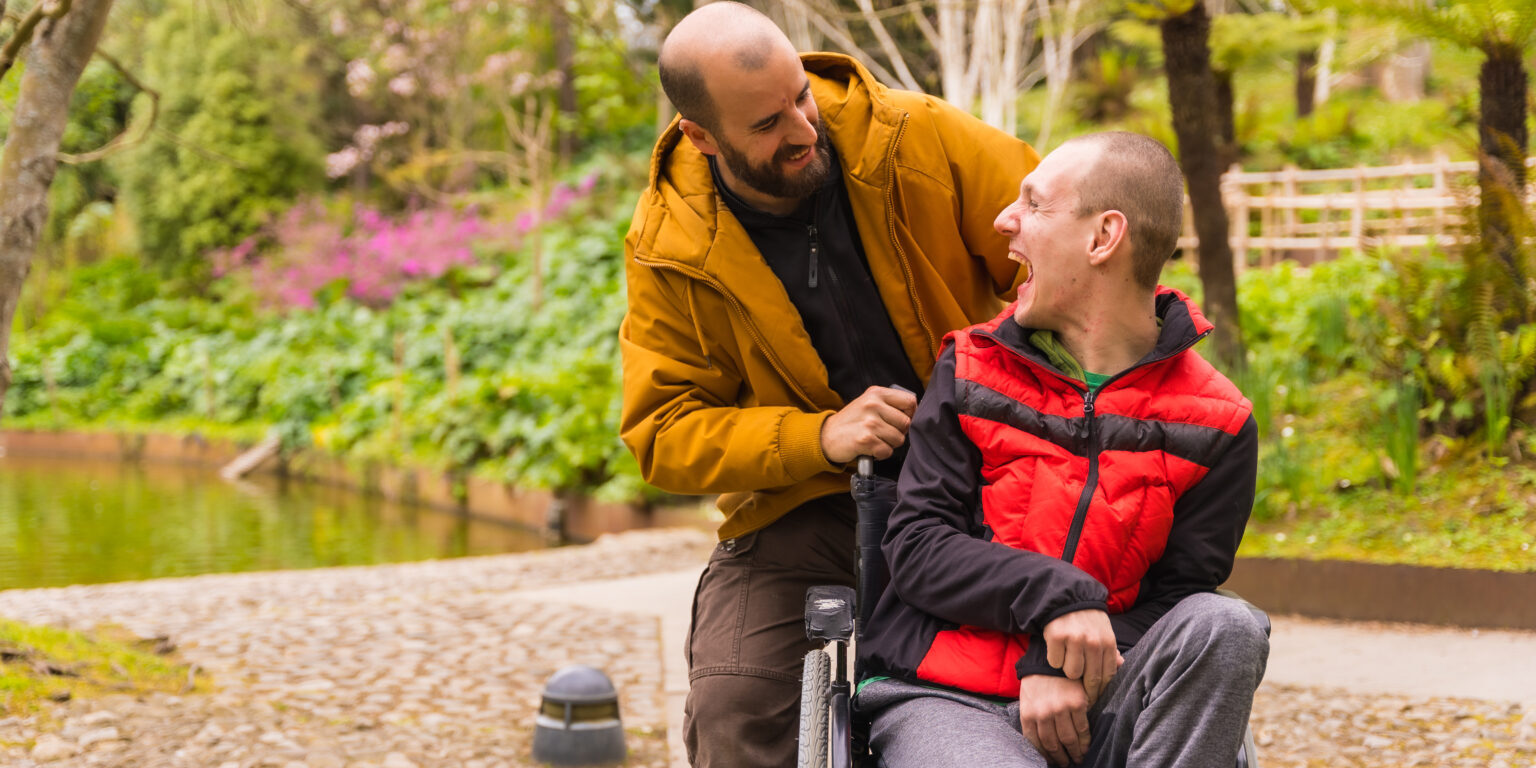
Deciding to become a caregiver is a significant step. It is driven by a deep sense of purpose and compassion. Generally, the process involves gaining initial experience, choosing a specific training path, and connecting with a local agency. Turning that calling into a career can feel overwhelming. Let’s walk through the practical steps to begin your caregiving journey in North Carolina and help you find the right path for your skills and goals.
Charting Your Path: Key Steps for Aspiring Caregivers
Becoming a professional caregiver involves a blend of hands-on experience, formal training, and finding an organization that aligns with your values. Here is a clear three-step roadmap to get you started.
1. Gain Foundational Experience
Before committing to certifications, it is wise to experience the caregiving environment firsthand. Volunteering at a local nursing home or assisted living facility offers an invaluable look into the daily responsibilities and rewards of the role. This step helps confirm your passion for this line of work and builds a strong foundation for your resume.
2. Choose Your Training and Certification Route
Your next step is determining the level of care you want to provide. This choice will guide your training needs.
- Non-Medical Caregiving: For roles focused on companionship, daily living assistance, and personal care, many home care agencies provide their own on-the-job training. These positions are an excellent entry point into the field.
- Formal Certification: If you plan to provide medical support, a formal certification is necessary. The most common path is becoming a Certified Nursing Assistant (CNA). This credential requires completing a state-approved program and passing an exam. It equips you with the skills to handle more complex health needs.
Understanding the different types of support caregivers offer is key. From community living support to respite care, each role meets a unique need. Exploring the full spectrum of caregiving services can help you identify where you will make the biggest impact on the life of an adult child.
3. Find Fulfilling Employment
With experience and training in hand, you can begin searching for a position. Start by contacting local home care and community support agencies. Many are actively seeking compassionate individuals and offer structured career paths.
It is also helpful to familiarize yourself with state resources. The North Carolina Department on Aging administers the Family Caregiver Support Program (FCSP). This program provides resources and support for caregivers across the state. Understanding this network shows your commitment and professional knowledge.
A Career Rooted in Purpose
Caregiving is a commitment to enhancing someone’s quality of life. As you take these steps, you are starting a career, and building a foundation for providing exceptional, whole-person support.


Download Your FREE Supported Living Guide!

Direct Support
Professionals

Individuals Served
Since 2010
