
When They Turn 18: Pre-Navigating Life at Age 18 and After Special Education Ends

When They Turn 18: Life After Special Education
Your child retains legal rights to services and supports under Medicaid and the ADA — and those rights don’t expire when they turn 18. Apply early. Waiting lists for residential options and day programs can stretch months or years, and early placement on those lists matters.
At this stage, many families begin exploring the NC Innovations Waiver and1915i services. These programs can fund personal care assistance, skill-building, and supported employment, among other supports. AbleHaven (Community Living and Support) and GracePause (Respite) are two programs that families use to build a sustainable support structure for the transition ahead.
Understanding the Shift
Your child’s school-based services end between 18 and 22 — specifically, when they complete the school year in which they turn 22. That deadline matters because what came automatically through the school system now requires you to navigate a separate, fragmented adult services landscape on your own.
That shift is real, and it catches many families off guard.
Adult services in North Carolina do exist — care coordination, supported living, day programming, long-term planning — but they don’t come to you. You have to find them, apply for them, and often wait for them. The system is not built around a single point of entry, and eligibility, funding, and availability vary by program.
Covenant Case Management Services (CCMS) works with families navigating exactly this transition. As a North Carolina provider, CCMS helps connect individuals with IDD and TBI to the community-based services and long-term supports they need — so families spend less time decoding the system and more time building a life that works.
Know Your Child’s Rights
Your child retains legal rights to services and supports under Medicaid and the ADA, and those rights don’t expire when they turn 18. Apply early. Waiting lists for residential options and day programs can stretch months or years, and early placement on those lists matters.
At this stage, many families begin exploring the NC Innovations Waiver and 1915i services. These programs can fund personal care assistance, skill-building, and supported employment, among other supports. AbleHaven (Community Living and Support) and GracePause (Respite) are two programs that families use to build a sustainable support structure for the transition ahead.
Connect with Community Resources
North Carolina has community organizations that offer mentorship, life skills coaching, and daily structure for young adults with IDD. Day programs like Dream Center, supported living through Independence, and respite care like GracePause help maintain routine and quality of life.
Emotional Impact
This transition is hard on your child. It’s also hard on you. The school team that showed up for years — the teachers, therapists, case managers — that relationship ends too. Grieving that loss is normal.
What comes next looks different, but support doesn’t disappear. Other families have navigated this. New communities exist. And you don’t have to figure it out from scratch.
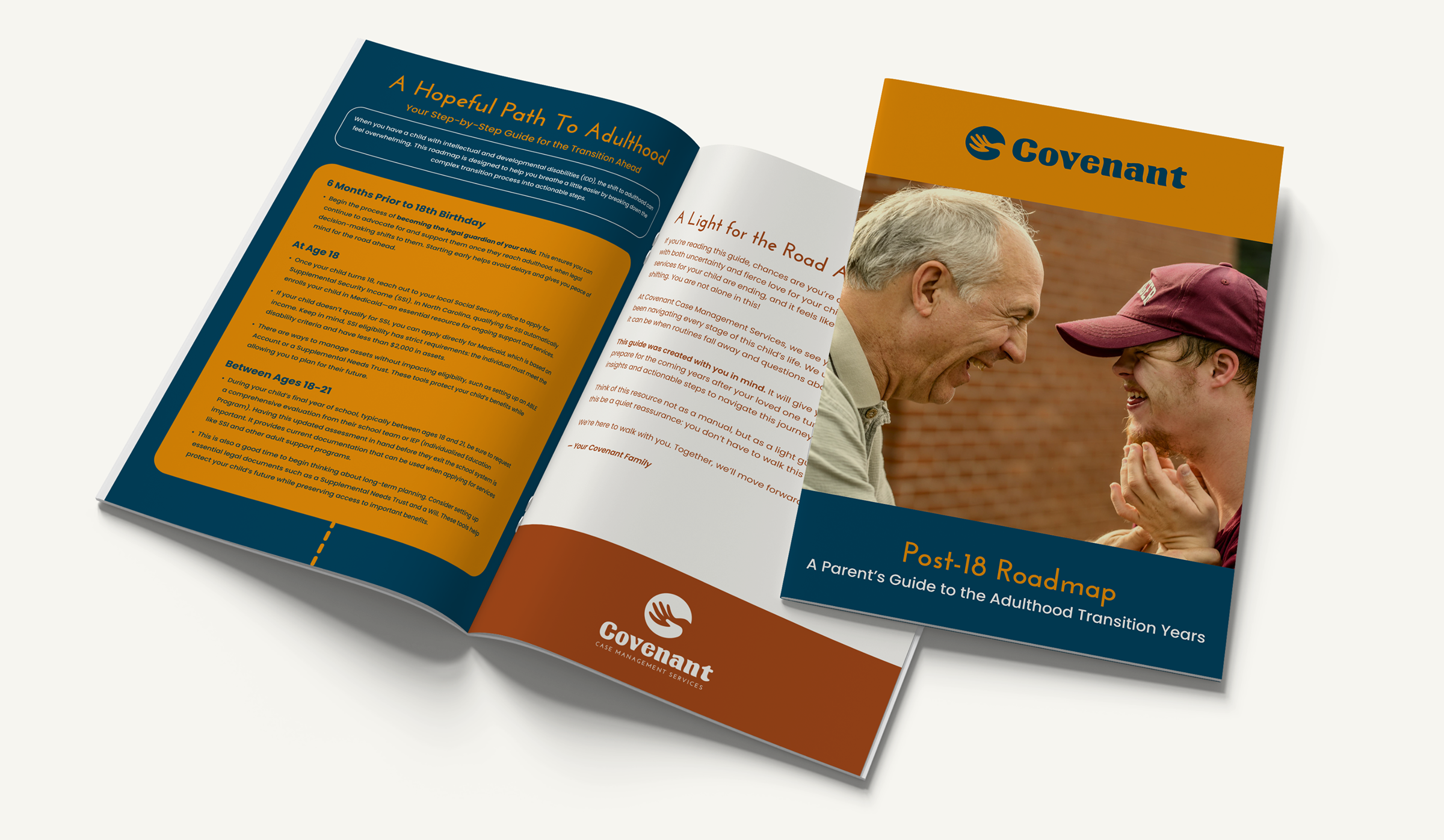
Download Your FREE Post-18 Roadmap!

300+
Direct Support
Professionals

800+
Individuals Served
Since 2010

56+