

How to Find Affordable Independent Living
Get the Guidance You Deserve, Right to Your Inbox
Whether you’re a caregiver, care professional, or individual seeking independence, We aim to keep you informed and inspired. Receive updates on services, events, and stories of hope by signing up to become a part of our email list below.
Affordable independent living means your adult child has their own place, with help, without constant money panic. It balances safety, support, and dignity.
Below you’ll find how to find affordable independent living in North Carolina for adults with IDD, using independent living services as backup and not a loss of control.
Steps to Finding Affordable Independent Living
Step 1: Understand Your Needs, Supports, and Budget
Before you search, you and your adult child need a clear picture of daily life. This is how you avoid unsafe choices or surprise costs.
Ask simple, honest questions:
- “What can you safely do alone?”
- “What do you need help with every day?”
- “What feels scary to do without support?”
Think about:
- Support needs: personal care, meals, transportation, medication reminders, IDD supports, money management.
- Setting: small apartment, senior community, shared home, mobile home park.
- Budget: rent, utilities, food, phone, and any independent living services program.
Step 2: Explore Government‑Subsidized Housing Options
To keep housing affordable, government programs can lower rent so independent living is possible. These include:
- HUD housing and Resource Locator
- HUD‑subsidized housing means the government helps pay part of the rent. You pay a smaller, income‑based amount.
- You can use the HUD Resource Locator online to find affordable apartments and senior housing (like Section 202) near you.
- Housing Choice Vouchers (Section 8)
- Vouchers help pay part of the rent in private housing.
- Waitlists are common, so applying early is important.
- Local Public Housing Authorities (PHAs)
- Contact your local PHA (for example, Raleigh Housing Authority) to ask about openings, eligibility, and forms.
- Ask about independent living service options within HUD or voucher‑supported housing.
Step 3: Consider Other Affordable Models and Locations
Sometimes the model or town is what makes independent living realistic. You can consider:
- Senior co‑housing / co‑ops
- You have your own small unit plus shared spaces, like a kitchen or community room.
- Sharing some costs can lower expenses and reduce isolation.
- Groups like the Senior Cooperative Foundation list these communities.
- Mobile or modular homes in adult communities
- A mobile or modular home in a senior or adult park can cost less than a traditional house or apartment.
- Lot rent plus a smaller home payment can fit better with disability benefits.
- Lower‑cost towns (like Asheboro, NC)
- Towns with a lower cost of living stretch SSI, SSDI, and pensions further.
- You can still support independent living with nearby clinics, churches, and community centers.
Step 4: Use Online and Local Resource Tools
Think of this as using tools that do the searching for you.
- BenefitsCheckUp.org
- Enter your ZIP code and basic info.
- See federal, state, and local help for older adults, including housing aid.
- County and local government programs
- Many county websites (for example, Iredell County) list housing and independent living service programs.
- Look under “Aging,” “Disability Services,” or “Housing.”
- National Council on Aging (NCOA)
- NCOA shares trusted guides on housing, benefits, and safety for older adults.
Use Simple Action Steps
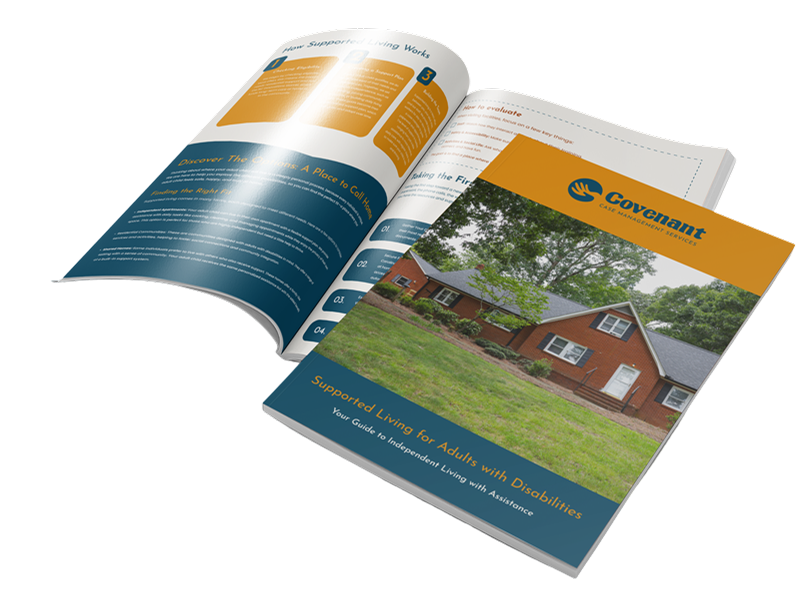
Search for programs, call to ask questions, and apply even if you feel unsure. Remember to follow up so your name stays active on lists for comprehensive services. For a deeper step‑by‑step roadmap, download the free Supported Living Guide.
Questions Families Ask About Finding Affordable Independent Living
What does affordable independent living mean for an adult child with a disability?
Affordable independent living means your adult child has their own place, with the help they need, without constant money stress. It balances safety, support, and dignity, so the household budget stays workable while your child lives as independently as possible.
How do I start looking for affordable independent living?
Start with an honest picture of needs and budget. Ask what your adult child can safely do alone, then list the supports that would close the gap:
- Personal care
- Meals
- Transportation
- Medication reminders
- Money management
Your answers shape which housing options and programs fit, and they give your case manager and housing agencies a clear place to begin.
What government housing programs help with the cost of rent?
Three places to start: HUD-subsidized housing, where rent is based on income; Housing Choice Vouchers (Section 8), which help pay rent in private housing; and your local Public Housing Authority (PHA), which handles eligibility and applications. Contact your PHA first to learn which programs are open and which documents to bring.
Are there waitlists for affordable housing, and what should I do while I wait?
Waitlists are common for subsidized housing, vouchers, and the NC Innovations Waiver, and wait times vary by program and county. Apply even if you feel unsure, apply to more than one program, and follow up regularly so your name stays active on every list. If your adult child is waitlisted for the waiver, NC Medicaid 1915(i) services can fund similar day-to-day support in the meantime.
What are lower-cost housing options beyond government programs?
Some families explore co-housing or cooperative communities with shared spaces, mobile or modular homes in adult communities, and lower-cost North Carolina towns such as Asheboro. Many of these communities set their own age, income, or eligibility rules, so confirm that your adult child qualifies before you plan around one.
Where can I search for housing programs and benefits?
Three tools make a strong start. Enter your ZIP code at BenefitsCheckUp.org to find federal, state, and local assistance. Search your county government website for “Aging,” “Disability Services,” or “Housing.” The National Council on Aging (NCOA) also publishes housing and benefits guides. Keep a running list of each program you contact and the date you followed up.
Can Medicaid or the NC Innovations Waiver help with independent living?
Yes, with supports. The NC Innovations Waiver funds Supported Living Services for adults with intellectual and developmental disabilities (IDD) who live in their own home, with support set at Level I, II, or III based on a Supports Intensity Scale (SIS) score. These services fund daily support rather than rent, so most families pair them with a separate housing source. For a broader look at funding, read how to pay for independent living.
What if my adult child is not ready to live alone?
Other models offer more support. Alternative Family Living (AFL) places an individual with a trained provider in a family home. Community Living and Support gives hands-on help with daily living tasks such as personal care, cooking, and cleaning. Eligible individuals can access both through the NC Innovations Waiver or 1915(i) services.
How can a case manager help me find affordable housing?
A case manager helps you understand which programs your family may qualify for and connects you with providers and housing resources. Covenant Case Management Services provides CARF-accredited case management for individuals with IDD and traumatic brain injuries (TBI) across North Carolina, and works with Managed Care Organizations (MCOs) on eligibility, paperwork, and next steps.
How do I get started with Covenant Case Management Services?
Call (704) 780-4552 or contact our team. If you are ready to begin, use the Receive Services form. You can also download our free Supported Living Guide or explore our supported living homes.


Download Your FREE Supported Living Guide!

Direct Support
Professionals

Individuals Served
Since 2010
