
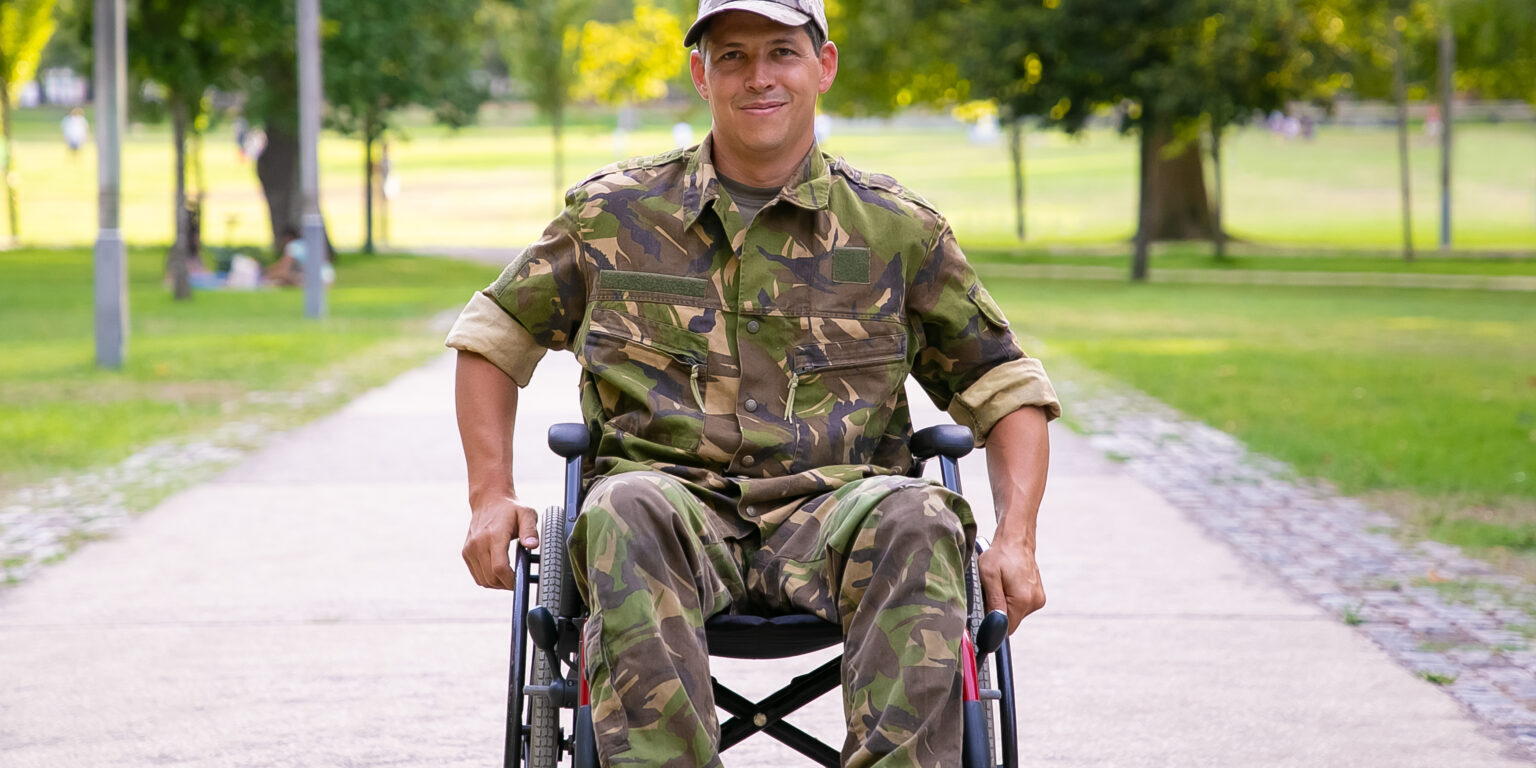
How To Find Independent Living for Disabled Veterans
Get the Guidance You Deserve, Right to Your Inbox
Whether you’re a caregiver, care professional, or individual seeking independence, We aim to keep you informed and inspired. Receive updates on services, events, and stories of hope by signing up to become a part of our email list below.
When you ask how to find independent living for disabled veterans, you are looking for safe housing plus daily support so a veteran can do as much as possible on their own. This page guides veterans, caregivers, and families in North Carolina, including those supporting veterans with intellectual and developmental disabilities (IDD).
In Detail: How To Find Independent Living For Disabled Veterans In NC
- First, confirm the veteran’s eligibility and service-connected disability status through the VA. This opens many housing doors.
- Next, decide what “independent” means for you: living alone, with family, or in supported housing, and list needs for mobility, mental health, or IDD.
- Apply for VA housing grants like SAH and SHA, which help pay for ramps, wider doors, and safer bathrooms.
- Ask about HUD-VASH for rental help plus a case manager who walks with you.
- Check NC DMVA housing resources for local programs, tax credits, and more guidance on how to find independent living for disabled veterans.
Key Federal And State Programs That Support Independent Living
- VA Disability Housing Grants (SAH, SHA): These grants help pay for ramps, wider doors, and safer bathrooms. They support veterans with serious service-connected disabilities. You apply through VA.gov.
- VR&E Independent Living Track: This track helps when work is not possible right now. It focuses on daily living skills, home setup, and community support.
- HUD-VASH: This program joins rental help with VA case management. A case manager helps you find housing, keep housing, and connect with care.
- NC DMVA Housing Resources: North Carolina offers transitional housing, recovery-focused programs, tax relief, and local contacts for veterans. These supports strengthen independent living for disabled veterans in North Carolina.
Case managers or care coordinators can explain these choices, help with forms, and keep you from feeling alone in the process.
Local North Carolina Organizations That Help Veterans Find Housing
North Carolina has strong non-profit partners that help veterans find safe, stable housing and support. You do not have to search alone.
- Purple Heart Homes – Contact them about barrier-free home repairs, Veterans Aging in Place, and the Veteran Home Opportunity Program.
- CASA – Ask about permanent supportive apartments in the Triangle that accept HUD-VASH.
- Veterans Bridge Home – Call for help finding housing and community support in the Charlotte area.
- Other resources – The Servant Center, ABCCM, and Healing with CAARE offer transitional or shared living; find current contacts through the NC DMVA website.
How Case Managers Can Help Veterans And Families
A case manager helps you compare choices, so you are not guessing alone. They speak up during applications and appeals, and coordinate services for veterans with IDD across the VA, NC agencies, and local partners. Covenant Case Management Services walks with you through complex systems with compassion and clear steps, and you can start by downloading our free supported living guide.
Questions Families Ask About Independent Living for Veterans With Disabilities in North Carolina
What does independent living mean for a veteran with a disability?
It means finding safe housing with the daily support a veteran needs to be as self-sufficient as possible. Independent living can look like living alone, living with family, or living in supported housing, so start by defining what independence means for your veteran or family member.
How do I start finding independent living for a veteran with a disability?
Follow five steps:
- Confirm veteran eligibility and service-connected disability status through the VA.
- Define what independent means: living alone, with family, or in supported housing.
- Apply for VA housing grants if home changes are needed.
- Explore HUD-VASH for rental assistance.
- Review NC Department of Military and Veterans Affairs (NC DMVA) housing resources for local programs.
Do VA housing grants help pay for home modifications?
Yes, for eligible veterans. The VA’s Specially Adapted Housing (SAH) and Special Home Adaptation (SHA) grants help pay for changes such as ramps, wider doors, and safer bathrooms. Review eligibility and how to apply on the VA disability housing grants page.
What is HUD-VASH?
HUD-VASH combines rental assistance with case management from the VA. It can be a strong fit for veterans who need help paying rent and want support staying housed. Ask your VA contact whether HUD-VASH is available in your area.
What is the VR&E Independent Living track?
The VA’s Vocational Rehabilitation and Employment (VR&E) program includes an Independent Living track that focuses on daily living skills and community support. It can help a veteran with a service-connected disability build the skills to live more independently. Learn more on the VA independent living program page.
What North Carolina resources help veterans find housing?
Start with NC DMVA housing resources, which include transitional housing and tax relief. Local organizations include Purple Heart Homes (barrier-free repairs and aging-in-place programs), CASA (permanent supportive apartments in the Triangle), Veterans Bridge Home (housing and support in the Charlotte area), and The Servant Center, ABCCM, and Healing with CAARE (transitional and shared living).
Can a veteran with a developmental disability or brain injury also use NC Medicaid programs?
Possibly. NC Medicaid programs run separately from VA benefits. The NC Innovations Waiver supports adults with intellectual and developmental disabilities (IDD), and NC Medicaid 1915(i) services support individuals with IDD, behavioral health needs, or traumatic brain injury (TBI). Eligibility depends on NC Medicaid enrollment and program criteria, and a case manager can help you sort out which apply.
How can a case manager help veterans and families?
Case managers help veterans and families compare options, advocate during applications, and coordinate services across the VA, North Carolina agencies, and local partners. Covenant Case Management Services provides CARF-accredited case management for individuals with IDD and TBI across North Carolina.
What if my family member is not ready to live alone?
Other models offer more support. Alternative Family Living (AFL) places an individual with a trained host family. Community Living and Support gives hands-on help with daily living tasks, and Supported Living Services supports living in your own home. Eligible individuals access these through the NC Innovations Waiver or 1915(i) services, depending on the service.
How do I get started with Covenant Case Management Services?
Call (704) 780-4552 or contact our team. If you are ready to begin, use the Receive Services form. You can also download our free Supported Living Guide for expert insights and next steps.

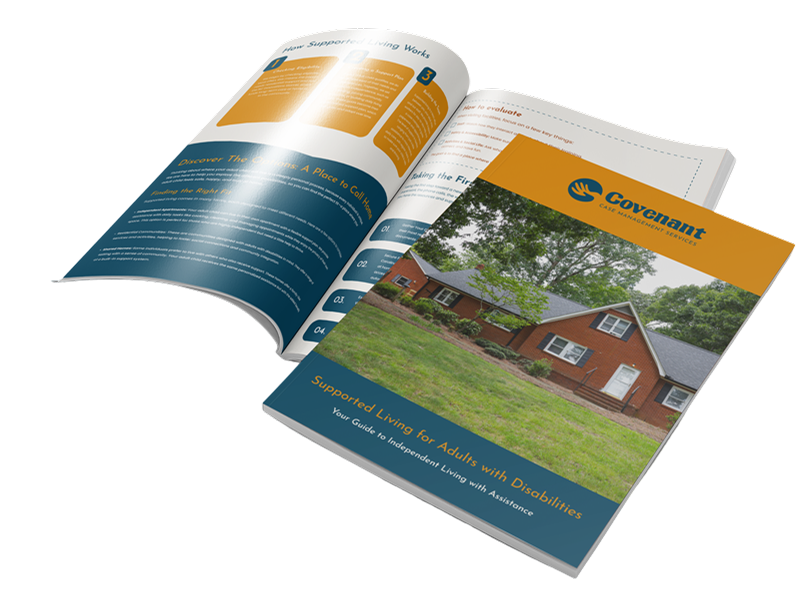
Download Your FREE Supported Living Guide!

Direct Support
Professionals

Individuals Served
Since 2010
